
VA Mental Health Claims, Highland, IN
Request Consultation
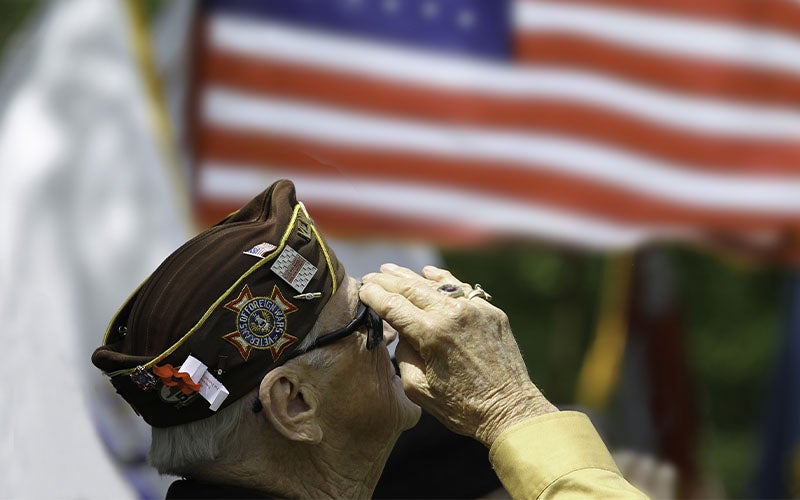
Highland VA Mental Health Claim Lawyer: Secure the Benefits You Deserve
Veterans struggling with mental health conditions deserve comprehensive support and fair compensation for their service-connected disabilities. At Comerford Law Office, we understand the unique challenges Highland veterans face when navigating the complex VA claims process for mental illness. Our dedicated team has helped countless veterans across Indiana secure the VA Benefits they have earned through their service and sacrifice.
If you're living with a service-connected mental health condition, you don't have to face the VA system alone. Call 219-333-2110 today or Contact US to schedule your consultation with an experienced Highland va mental health claim lawyer.
Understanding VA Mental Health Claims in Highland
Mental health conditions affect thousands of veterans, yet many struggle to receive proper recognition and disability compensation from the VA. As a Highland VA disability lawyer, Comerford Law Office helps veterans establish service connection for conditions such as depression, anxiety, PTSD, bipolar disorder, and other psychiatric disorders that developed during or were aggravated by military service.
The VA recognizes that veteran mental illness can be just as disabling as physical injury. Our Highland practice helps veterans understand their rights and pursue the support they need through the VA system, including VA SMC for mental illness when appropriate.
How to Prove Service Connection for Veteran Mental Illness
To secure approval for a mental illness claim, veterans must demonstrate that their condition is directly connected to military service. This requires proving three essential elements with comprehensive documentation and evidence.
Medical Evidence Requirements
A current diagnosis from a licensed psychiatrist, psychologist, or other qualified mental health provider is essential. This documentation must clearly state the diagnosis and outline the severity of your symptoms, including how they impact your daily functioning and ability to maintain employment.
Service Connection Documentation
Your mental illness must be linked to military service through one of the following pathways:
- Direct Service Connection: The condition began during service or resulted from specific military events, trauma, or stressors
- Secondary Service Connection: The mental illness developed as a consequence of another service-connected condition
- Aggravation: A pre-existing mental health condition was worsened due to military service
Nexus Statements and Medical Opinions
A medical nexus opinion connects your current diagnosis to your military service. At Comerford Law Office, we work closely with qualified medical professionals who understand VA requirements and can provide strong, credible nexus statements to support your claim. For assistance gathering this critical evidence, call 219-333-2110.
Common Types of VA Mental Health Claims
Highland veterans may qualify for disability benefits for various mental health conditions that developed during or were aggravated by military service.
Post-Traumatic Stress Disorder (PTSD)
PTSD VA disability claims are among the most common mental health claims filed by veterans. PTSD can result from combat exposure, military sexual trauma, accidents, or other traumatic events experienced during service.
Depression and Anxiety Disorders
Depression and anxiety are frequently seen in veterans and can arise from combat stress, military culture, deployment separations, or traumatic military experiences. These conditions often co-occur and can significantly impact a veteran's ability to work and maintain relationships.
Bipolar Disorder and Other Mood Disorders
Military service can trigger or exacerbate bipolar disorder and other mood disorders. The stress, sleep deprivation, and high-pressure environments common in military service can contribute to the development of these conditions.
Military Sexual Trauma (MST)
Veterans who experienced sexual assault or harassment during military service may develop PTSD, depression, anxiety, or other mental health conditions as a result of this trauma.
VA Rating Criteria for Mental Health Conditions
The VA evaluates mental health conditions using the General Rating Formula for Mental Disorders, which assigns ratings from 0% to 100% based on the severity of symptoms and their impact on occupational and social functioning.
Rating Levels and Criteria
- 0% Rating: Mental condition acknowledged but no significant functional impairment
- 10% Rating: Occupational and social impairment due to mild symptoms
- 30% Rating: Occupational and social impairment with occasional decrease in work efficiency
- 50% Rating: Occupational and social impairment with reduced reliability and productivity
- 70% Rating: Occupational and social impairment with deficiencies in most areas
- 100% Rating: Total occupational and social impairment
At Comerford Law Office, we help Highland veterans build strong claims that accurately reflect how their mental health symptoms affect their daily life, work capacity, and social relationships. Don't hesitate to call 219-333-2110 to discuss your case.
Navigating the VA Claims Process for Mental Health
The VA Claims process for mental health conditions involves several critical stages, each requiring careful attention to detail and proper documentation.
Initial Claim Filing
Veterans begin by submitting VA Form 21-526EZ along with comprehensive medical evidence demonstrating their mental health condition and its connection to military service. This initial submission should include treatment records, medical opinions, and personal statements describing how the condition impacts daily functioning.
Compensation and Pension (C&P) Examinations
The VA will likely schedule you for a mental health C&P examination to assess your current symptoms and their severity. Proper preparation for this examination is crucial, as the examiner's findings will significantly influence the VA's decision on your claim.
Decision and Appeals Process
If the VA denies your claim or assigns a lower rating than appropriate, you have several options for challenging the decision. Our team can help you navigate VA Appeals through Higher-Level Review, Supplemental Claims, or Board of Veterans' Appeals proceedings.
Evidence Needed for Strong Mental Health Claims
Successful mental health claims require comprehensive documentation proving diagnosis, service connection, and functional impairment.
Medical Records and Treatment History
Complete medical records from VA providers, private mental health professionals, hospitals, and emergency care facilities all support your claim. Documentation of ongoing treatment and medication history helps demonstrate the persistence and severity of your condition.
Service Records and Military Documentation
Your service records, performance evaluations, incident reports, and statements from fellow service members can help establish the stressful or traumatic events that contributed to your mental health condition.
Personal and Lay Evidence
Your own detailed statement describing your symptoms and their impact, along with statements from family members, friends, or coworkers, can provide valuable insight into how your condition affects your daily functioning.
Vocational and Employment Evidence
Documentation of job loss, disciplinary actions, or difficulty maintaining employment due to mental health symptoms can strengthen your claim and support a higher disability rating.
Why Choose Comerford Law Office for Your Highland VA Mental Health Claim
Veterans with mental health challenges deserve experienced, compassionate legal representation throughout the claims process. Our Highland-based practice focuses on veterans disability law, providing thorough guidance from initial filing through appeals.
Local Highland Knowledge
Our familiarity with Highland-area VA resources, mental health providers, and the regional VA office helps us guide clients effectively through the claims process.
Comprehensive Case Management
We handle every aspect of your claim, from gathering medical records and coordinating evaluations to preparing you for C&P examinations and advocating for the highest possible rating.
No Upfront Fees
We work on a contingency-fee basis for appeals cases, meaning you pay nothing unless we successfully resolve your case in your favor.
Proven Track Record
Our team has a strong history of securing favorable outcomes for Highland veterans seeking mental health-related disability benefits.
Don't let the complexity of the VA system prevent you from receiving the benefits you've earned. Call 219-333-2110 or Contact US today to schedule your consultation.
Resources for Highland Veterans
Highland veterans have access to several local and regional resources for mental health support and VA claims assistance:
- Richard L. Roudebush VA Medical Center (Indianapolis) - Comprehensive mental health services and claims support
- Community Based Outpatient Clinics - Local access to VA mental health care
- Vet Centers - Readjustment counseling for combat veterans and those who experienced military sexual trauma
- Indiana Department of Veterans Affairs - State-level advocacy and assistance programs
For more information about Gulf War-related mental health conditions, veterans can also reference resources from the VA's Gulf War medical information page.
Frequently Asked Questions About VA Mental Health Claims
How long does the VA mental health claims process take?
Most mental health claims take four to six months for an initial decision, though complex cases requiring additional evidence or examinations may take longer.
Can I file claims for multiple mental health conditions?
Yes, veterans may file claims for multiple mental health conditions if each is connected to military service, though the VA may combine related conditions under a single rating.
What if my mental health claim was denied?
A denial is not the end of the road. You can submit new evidence, request a Higher-Level Review, or appeal to the Board of Veterans' Appeals. Many veterans succeed after challenging an initial denial.
Do I need ongoing treatment to maintain my VA mental health benefits?
While ongoing treatment isn't required to maintain benefits, it supports both your wellbeing and any future requests for rating increases.
Can family members help support my mental health claim?
Absolutely. Statements from family members, friends, and coworkers can provide valuable evidence of how your mental health condition affects your daily life and relationships.
How does the VA rate multiple mental health conditions?
The VA typically combines related mental health conditions under a single rating rather than rating each condition separately.
What should I expect during a mental health C&P examination?
The examiner will ask detailed questions about your symptoms, treatment history, and how your condition affects your work and social functioning. Be honest and thorough in your responses.
Can I work while receiving VA disability benefits for mental health?
Yes, though veterans who cannot maintain substantial gainful employment due to their service-connected conditions may qualify for Total Disability Individual Unemployability (TDIU) benefits.
Contact a Highland Veterans Disability Claims Attorney Today
Mental health conditions affect thousands of veterans, but you don't have to navigate the VA system alone. At Comerford Law Office, we're dedicated to helping Highland veterans secure the mental health benefits they've earned through their service. Whether you're filing a new claim, appealing a denial, or seeking a rating increase, our experienced team is ready to fight for your rights.
Contact Comerford Law Office for Help with Your VA Mental Health Claim
Call 219-333-2110 or visit our contact page today to schedule your consultation with a Highland va mental health claim lawyer who understands your challenges and is committed to achieving the best possible outcome for your case.