
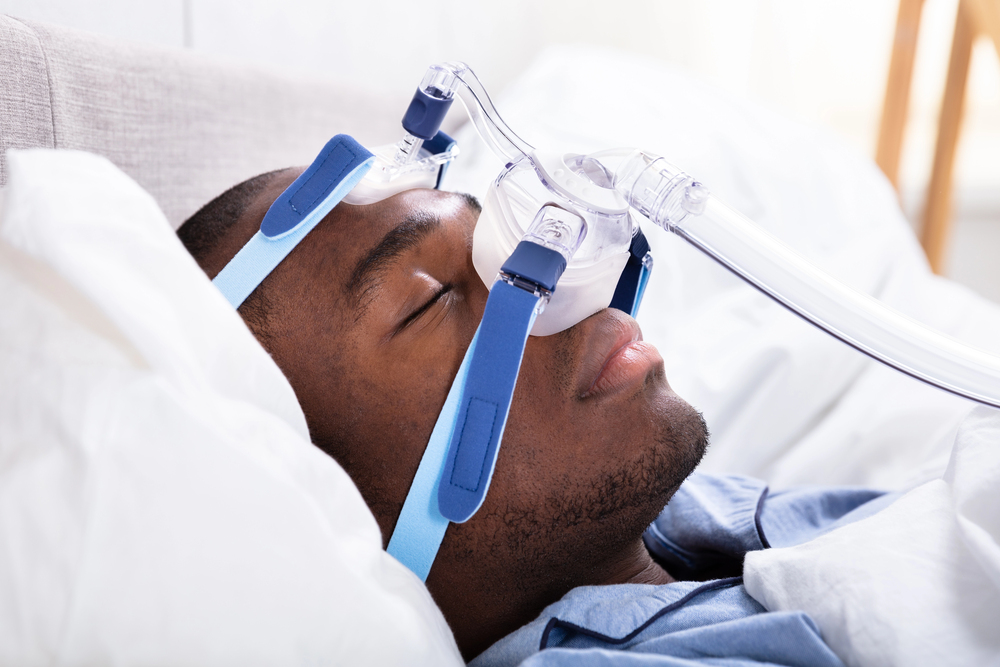
Many veterans struggle with sleep issues. Sleep apnea issues are, in fact, more than twice as common among veterans as in general society. The VA recognizes this, and ratings can be as high as 100% for this condition, but that doesn’t mean it’s easy to get the benefits you’re entitled to. Talk with a Chicago, IL PTSD disability lawyer for help in connecting your sleep apnea to your service.
VA Rating for Sleep Apnea Secondary to PTSD
Any VA rating is based on the severity of the condition itself, in this case sleep apnea, not directly on the secondary connection to PTSD. However, establishing secondary service connection allows the condition to be considered service-connected and thus compensable.
As of February 2026, the current VA rating criteria for sleep apnea remain:
- 100% (only for chronic respiratory failure with carbon dioxide retention or cor pulmonale, or which requires a tracheostomy)
- 50% (for those who need a breathing assistance device)
- 30% (for persistent daytime hypersomnolence)
The most common ratings for veterans are either 30% or 50%, and many veterans receive the 50% rating when there’s documented CPAP use.
PTSD Connection
PTSD can contribute to sleep apnea by the way it disrupts sleep patterns, causes hyperarousal, or from weight gain resulting from PTSD medications. The key here will be proving that a service connection has been granted as secondary. Your lawyer will take your medical evidence showing that it is at least as likely as not that the sleep apnea is caused or aggravated by PTSD and then use this to make your claim clear and solidly backed.
It’s important to understand that any rating you have for PTSD is separate from your rating for sleep apnea, so you will have a combined rating once you bring them both together.
Things to Know
The VA has been working on a proposal since 2022 to modernize the ratings for sleep apnea and other respiratory conditions. These have not yet been finalized as of 2026, but if they should be, then the use of a CPAP machine alone would no longer be enough to automatically grant a rating of 50%, particularly if symptoms are well controlled. For now, having to use a CPAP machine automatically gets you a 50% rating, so long as you can prove that secondary connection.
It’s also important to bear in mind that you’ll need lots of medical evidence, and it will need to be properly organized and submitted to the VA. This can be a difficult and frustrating process, which is why so many veterans get legal help to make sure their rights are defended. Even when all your evidence is in order and your filing is done correctly, there’s still a strong possibility of initial denial. Then you have to make it an appeal, and the process is neither intuitive nor simple.
Get Help From a PTSD Disability Lawyer in Chicago, IL
At the Comerford Law Office, we understand how overwhelming it can be for veterans to deal with the VA. Contact our Chicago, IL office today at 312-863-8572 to discuss your needs, and let us go to bat for you and your rights. We also serve veterans in Jonesborough, TN and Highland, IN.
Connect with us


- April 2026
- March 2026
- February 2026
- January 2026
- December 2025
- November 2025
- October 2025
- September 2025
- August 2025
- July 2025
- June 2025
- May 2025
- April 2025
- March 2025
- February 2025
- January 2025
- December 2024
- November 2024
- October 2024
- September 2024
- August 2024
- July 2024
- June 2024
- May 2024
- April 2024
- March 2024
- February 2024
- January 2024
- December 2023
- November 2023
- October 2023
- September 2023
- August 2023
- July 2023
- June 2023
- May 2023
- April 2023
- March 2023
- February 2023
- January 2023
- December 2022
- November 2022
- October 2022
- August 2022
- July 2022
- June 2022
- April 2022
- February 2022
- January 2022
- July 2020
- June 2019
- May 2019
- April 2019
- February 2019
- January 2019
- December 2018
- November 2018
- July 2018
- June 2018
- May 2018
- April 2018
- February 2018
- September 2017
- August 2017
- July 2017
- June 2017
- May 2017
- April 2017
- March 2017
- January 2017
- August 2016
Archives