
Will I Lose My Benefits if My Condition Improves?

If you are receiving VA disability benefits, you rely on them to support yourself and your family, and the thought of your benefits being reduced or canceled altogether can be stressful. There are situations in which benefits can be lost in relation to health improvements, but this isn’t always the case, and an experienced Illinois veterans benefits attorney can help you protect your benefits in support of your fullest recovery and your best future.
If Your Condition Is Expected to Improve
If your health condition is expected to improve, the VA has the right to address the issue at a later date – in order to determine if your disability has improved or disappeared entirely over the course of time. While overcoming a disability is naturally a worthy goal, it’s not always a possibility, and small improvements are unlikely to lessen your disability to the degree that you are no longer entitled to benefits. Ultimately, the VA is careful with its benefits to begin with, which means it isn’t likely to assign them when the recipient isn’t fully entitled.
Reevaluations
If the VA expects your condition to improve with time, they will likely schedule a reevaluation within two to five years of assigning benefits. If your condition has vastly improved or has disappeared entirely, the VA can also reconsider your VA disability rating, which guides your benefits.
The degree to which your disability affects your quality of life and your ability to function determines your disability rating. And any drastic change, such as a considerable improvement in your condition, can affect your benefits.
Total and Permanent Disability Ratings
Some service-related disabilities are considered permanent and total, which are never expected to improve. For example, an amputated limb has no chance of improvement, and disability is total and permanent. There are, however, disabilities that can show improvement, and the VA can revisit them at later dates.
When a VA Rating Becomes Permanent
The VA won’t sever benefits for service-related benefits if they’ve been in effect for at least ten years. The only exceptions to this regulation include:
- If the recipient obtained their VA benefits under fraudulent circumstances
- If the recipient was dishonorably discharged from the military
- If the recipient didn’t complete their required service
Finally, if there is virtually no chance – or very little chance – that your serious disability is going to improve, its classification as total and permanent means your benefits can’t be reduced or canceled.
An Experienced Illinois Veterans Benefits Attorney Is on Your Side
James R. Comerford is the Chicago veterans benefit attorney at The Comerford Law Office, and his experience, legal skill, and insight make him a powerful advocate for veterans like you. Your benefits play a profound role in your overall well-being, and we’re prepared to help zealously protect them. If you have questions or concerns about your veteran’s benefits, we encourage you to reach out and contact us for more information about what we can do to help you today.

If you are a veteran with a disability who has questions or concerns about a claim, working closely with an experienced Illinois VA disability attorney is always well advised. Finding a good fit, however, may require a bit of searching. When you’re armed with the right questions, you’ll be in a much better position to find a VA disability attorney who inspires your confidence and affords you the peace of mind you’re looking for.
How much experience do you have successfully handling VA disability claims?
When your legal concern is something as complex as a VA disability claim, you need experienced legal guidance – not an attorney who dabbles in this area of the law. Finding an attorney whose practice focuses on these challenging claims is the way to go.
What’s your plan for my clam?
The fact is that every VA disability claim is unique to all the following:
- The veteran themself
- Their unique disability
- The specific circumstances involved
Ultimately, there is no one-size-fits-all approach that is the best path forward in every instance. If the attorney you’re interviewing is a good fit for you, they’ll assess your unique claim and will provide you with a solid plan regarding how best to proceed.
Will you be handling my claim?
The attorney you consult with regarding your claim may not be the one handling it moving forward. In fact, your claim may be passed around. Feel free to ask who will be handling your claim. Having other people on the legal team working on your case can improve efficiency, but you also want to ensure your attorney will be accessible to you. If you are looking for a closer working relationship than the firm can offer, you may want to keep looking.
How accessible will you be?
You have a VA disability claim, and time is naturally of the essence. An attorney who doesn’t get back to you or is difficult to contact can leave you feeling alone out there. By asking specifically how you will be communicating with one another, how accessible you can expect them to be, and how much time your claim is likely to require, it can provide you with a roadmap for what’s to come, which many claimants find beneficial.
It’s important to remember that your VA disability attorney works for you, and if you have questions that are important to you, you shouldn’t be afraid to ask them. Your claim is too important to leave to chance, and when you find the right attorney, you’ll know.
An Experienced Illinois VA Disability Attorney Is Standing By to Help
James R. Comerford at The Comerford Law Office is a practiced Illinois VA disability attorney who has the compassion, focus, and legal skill to help you resolve your disability claim favorably. We are on your side and here to help, so please don’t put off contacting us for more information about what we can do for you today.
Do I Qualify for VA Disability Benefits?

The only way to determine if you qualify for VA disability benefits is to apply for them. So long as you are a former U.S. soldier who served active duty or inactive duty for training, you can apply for VA disability benefits. If you received a dishonorable discharge, you will not qualify for VA benefits. The VA’s disability system can get complicated, though, and your chances of submitting a successful claim increase when you have help from an experienced VA benefits lawyer.
Basic Qualifications for VA Disability Benefits
The most basic qualifications for VA disability payments are:
- You are a former U.S. military veteran in good standing with the military
- You acquired a service-connected medical condition
- This condition prevents you from sustaining gainful employment
It sounds simple, right? In truth, the above elements can be quite difficult to prove.
Acquiring a Disability in the Line of Service
There are three types of disability claims:
- Preservice disability claim – You had a disability that was made worse or aggravated by your military service. The majority of these claims involve psychiatric illness aggravated by battle or combat trauma. The VA cannot deny your claim on the basis that you already had a mental illness when you joined up so long as you can prove your symptoms were aggravated by the stress of combat. Others may include toxic exposure and respiratory ailments.
- Inservice disability claim – You acquired a disability during your military service. Paralysis, loss of limb, traumatic brain injury, and toxic exposure are all inservice disabilities that are eligible for compensation. There are many others, as well.
- Postservice disability claim – Toxic exposure can result in cancers that are not obvious until after the soldier has completed their military service. Such claims may involve conditions that did not emerge until well after the soldier was discharged.
Presumptive Disabilities
While some conditions may be relatively easy to prove, others are quite difficult. If you are diagnosed with a chronic disease within one year of your discharge, you should seek out a lawyer immediately. The VA will give you the benefit of the doubt in some cases, and simply presume that your disability is service-connected. This means that you would not have to prove a connection to your service. However, specific rules apply.
As an example of this type of claim, Vietnam veterans who have specific conditions and were exposed to Agent Orange are presumed disabled by the VA. Former POWs qualify for presumptive disabilities. Today, Gulf War veterans may be presumed disabled.
In these cases, veterans only need to establish that they were at an exposure site and have an ailment linked to the exposure.
Talk to a Chicago VA Disability Attorney Today
For more information on applying for VA benefits, call The Comerford Law Office, LLC today and schedule a free consultation. Our experienced attorneys can sit down with you free of charge and discuss your options openly and honestly. Call today and we can discuss the merits of your claim.
Ways to Support Veterans During the Holiday Season
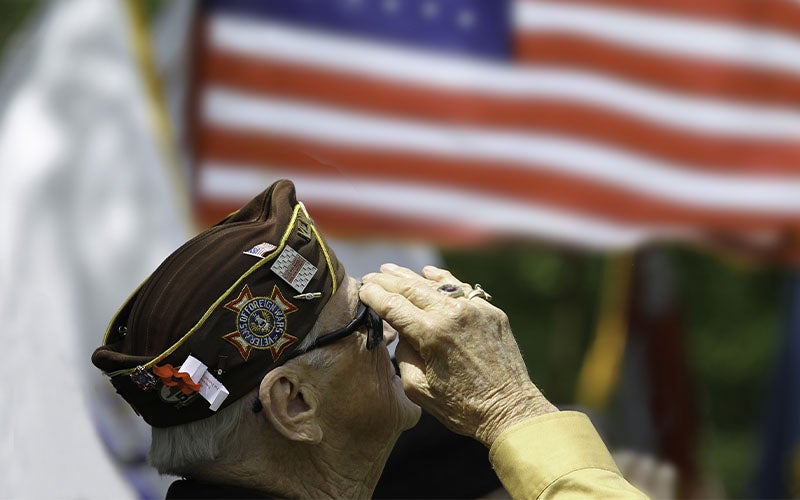
Veterans serve our country valiantly, and you may want to honor their service and help support the vets in your community but may not have any idea how to go about doing that. The good news is that there are many ways to help support vets and their families, and one is sure to be right for you. If you have questions or concerns regarding veterans’ issues, such as benefits, it’s time to consult with an experienced Illinois veterans benefits attorney.
Donate Your Time at a Local VA Hospital
Many veterans have related health concerns, and when they receive the care they need at VA hospitals over the holidays, it’s hard on their morale and can result in loneliness and other negative emotional consequences. A visit from you can make a big difference in their outlook, which can make a big difference in their health outcome. And if you bring a small gift, you can help crank the holiday spirit up a notch or two. Ideas include:
- A book that’s a new release or is especially interesting
- A gift certificate or cash gift card
- A beautiful potted plant
- A delicious treat
Donating Frequent Flier Miles
If volunteering isn’t in the cards for you and you don’t have the budget to cut a check, donating frequent flier miles is an excellent way to give back to veterans. When you donate your miles, you can help reunite veterans with their loved ones at the holidays.
Enquire about Corporate Matching Gifts
If you can afford to contribute to a veterans’ charity, corporate matching can increase the value of your contribution considerably. Ask your employer if they have a corporate gift matching program. Financial donations at the holidays can make a serious difference in the lives of veterans.
Adopting a Military Family
The Center for American Progress reports that more than 20 percent of veteran families are living paycheck to paycheck, which means they can be especially strapped around the holidays. There are organizations out there, like Soldiers’ Angels, that set up family adoptions for the holidays. Once you connect with your assigned family, they’ll let you know what they need, and you’ll have the opportunity to help make their holiday wishes come true.
Sponsor a Fundraiser or Toy Drive
When a veteran is in need at the holidays, it means their children are also in need. Sponsoring a toy drive or a related fundraiser can provide veterans with the joy they receive from providing their children with special gifts. If you don’t have the time or the energy to start your own drive, reach out to Operation Homefront, which is set up to spread cheer through well-organized toy drives that focus on veteran families.
Reach Out to an Experienced Illinois Veterans Benefits Attorney Today
James R. Comerford at The Comerford Law Office is a seasoned Illinois veterans benefits attorney who takes great pride in his impressive track record of helping veterans obtain the benefits to which they’re entitled. Your claim is important to your future, so please don’t wait to contact us for more information about what we can do to help you today.

If you were injured or made ill during the course of your military service, you’re very likely entitled to disability benefits, but the claims process can be daunting. Without just compensation, reaching your fullest recovery will be that much more challenging, but having an experienced Illinois VA lawyer on your side can make a considerable difference in the outcome of your claim.
Your VA Lawyer Will Help You Explore the Disability Benefits that May be Available to You
VA disability benefits are based on VA disability ratings, which range from 10 to 100 percent and are a reading of how severe your service-related injury, illness, or worsening of a preexisting condition is. Establishing this service connection and your disability rating are critical elements of your claim that your VA lawyer will focus on. In addition, they will discuss the disability benefits you’re likely to qualify for – in relation to your rating. Benefits can include:
- Veterans disability compensation, which is designed to replace the income you would have earned had you not been disabled in the service
- VA health care
- Caregiver benefits
- Vocational rehabilitation
- Educational benefits
- An automobile allowance
Guiding You through the Application Process
The application process for VA disability benefits is long, complicated, and exacting, and many claims are denied outright due to errors made at this juncture – often in relation to missing information or incorrect responses. Having a seasoned VA lawyer skillfully guiding you through the application process – avoiding common pitfalls along the way – can significantly improve your chances of obtaining a fair disability rating and the full range of benefits to which you are entitled.
Compiling the Necessary Evidence
The outcome of your veterans disability benefits claim will hinge on the strength of the evidence you supply. Your dedicated VA lawyer will ensure that all the available evidence relevant to your claim is well represented, including all the following:
- Your comprehensive medical records
- Your service records, which can be checked against your medical records to help verify the connection of your disability to your military service
- Your doctor’s professional medical opinion regarding your condition
- The testimony of those close to you regarding your condition
- A nexus letter written by a medical professional who is qualified to connect your disability to your military service
Filing an Appeal
Too many initial claims filed by vets are denied, but you shouldn’t let this stop you from forcefully seeking the benefits owed to you. Having a focused VA lawyer at the helm of your claim will help to ensure that it receives the attention it should and will help to ensure that it leads to fair benefits that support your ability to regain your health and well-being.
Speak to an Experienced Illinois VA Lawyer Today
James R. Comerford at The Comerford Law Office – Illinois is a highly skilled VA Lawyer who is well prepared and well positioned to fiercely advocate for a fair claim resolution that supports your brightest future. For more information about how we can help you, please contact us today.
How to Identify PTSD

Post-traumatic stress disorder is a serious mental health concern that can interfere with your ability to live your fullest life and should not be ignored. Although PTSD can be treated, and there are a range of practices that can help sufferers handle the challenging effects of the disorder, it tends to be an ongoing condition that generally must be handled – rather than cured. If you or someone you love is battling PTSD as a result of your military service, you shouldn’t delay discussing the matter with an experienced Illinois veterans benefits attorney.
What PTSD Is Not
We all have stress reactions to events that are stressful, and this is completely normal. In fact, it’s a survival mechanism that helps us better navigate the world we live in. PTSD, however, refers to more severe reactions that are generally predicated on seriously traumatic events and that prove seriously detrimental to the overall well-being of sufferers.
Identifying Factors
The Mayo Clinic identifies a range of factors that are closely associated with PTSD, which can lead to problems in relation to career, socialization, and close relationships and that can interfere with the activities of daily living. The four basic categories of symptoms include:
- Intrusive thoughts and memories
- Avoidance reactions
- Negative shifts in mood and thinking patterns
- Shifts in emotional and physical reactions
It’s important to note that the symptoms of PTSD may appear within about a month of the precipitating event, but they can also take years to fully develop. Further, while some sufferers’ symptoms subside over time, the symptoms suffered by others can become more pronounced.
Intrusive Thoughts and Memories
Symptoms that are indicative of intrusive thoughts and memories can include all the following:
- Unwanted memories of the traumatizing event that repeatedly intrude on one’s thoughts
- Night terrors related to the traumatizing event
- Severe startle and emotional reactions to events reminiscent of the traumatizing event
- Frightening flashbacks of the traumatizing event
Avoidance Reactions
Symptoms that are often indicative of avoidance reactions include:
- Going to considerable lengths in an attempt to avoid thinking about or discussing the traumatizing event
- Going to considerable lengths to avoid people, places, and activities that remind the sufferer of the traumatizing event
Negative Shifts in Mood and Thinking Patterns
Those symptoms associated with mood shifts and negative thinking patterns include:
- Feelings of hopelessness
- Increased anxiety and depression
- Dark thoughts
- Memory problems, including memory lapses related to the traumatizing event
- Feelings of detachment from loved ones and friends
- Issues related to maintaining close relationships
- Loss of interest in activities that were once enjoyable
- Emotional emptiness
Shifts in Emotional and Physical Reactions
The kinds of symptoms that equate with shifts in emotional and physical reactions include the following:
- Constant wariness
- A heightened startle reaction
- Sleep disturbances
- Angry, aggressive, or irritable outbursts
- Feelings of overwhelming guilt or shame
- Difficulty concentrating
Look to an Experienced Illinois Veterans Benefits Attorney for the Help You Need
James R. Comerford at The Comerford Law Office – Illinois is a savvy veterans benefits attorney who understands how significantly PTSD can affect your future and has the legal insight, resources, and impressive experience to help. To learn more, don’t wait to contact us today.
Can You Get Disability Benefits for PTSD?

Post-traumatic stress disorder (PTSD) is a mental health condition triggered by stressors such as personal assault, military combat, or a military sexual trauma. If you’ve suffered PTSD as a result of your service, VA disability compensation may be available, and an experienced Chicago veterans benefits attorney is standing by to help guide you effectively and efficiently through the process.
PTSD
Most people who experience PTSD suffer from significant symptoms, impacting their day-to-day lives. Some of the most common symptoms and indicators of PTSD, according to the Mayo Clinic, include the following:
- Intrusive and recurrent memories of the precipitating event
- Terrifying flashbacks of the precipitating event
- Disturbing nightmares that focus on the precipitating event and other sleep disturbances
- Severe emotional reactions to situations that are reminiscent of the precipitating event
- Attempts at avoiding people, places, or activities that remind the sufferer of the precipitating event
- Memory loss
- Relationship problems
- Feelings of hopelessness
- Intrusive negative thoughts
- Loss of interest in formerly enjoyable pastimes
- Emotional numbness
- Increased irritability or aggression
- Difficulty concentrating
While there are a variety of techniques that can help people manage serious PTSD and some treatment options, PTSD is often a lifelong struggle.
In Order to Obtain VA Disability Benefits
In order to obtain VA disability benefits for PTSD, three elements must apply, including:
- You’ve been diagnosed with PTSD by a medical professional who is qualified to do so.
- Your PTSD symptoms interfere with your ability to function the way you did prior to your service.
- You acquired PTSD during your service.
Those traumatic events that the VA considers qualifying occurrences fall into the following categories:
- You suffered a serious injury.
- You endured a personal or sexual trauma.
- You were sexually violated.
- You were credibly threatened with death, personal injury, or sexual assault.
Applying for Veterans Disability Benefits Based on Your PTSD
The disability benefits claims process is arduous, stressful, and protracted, which can exacerbate the stress reactions that are closely associated with PTSD. In order for your claim to be successful, you’ll need to prove that your PTSD is service related, and you’ll need to receive a disability rating, which can range from 10 percent to 100 percent – for very serious cases. It’s important to note that many veterans suffer from PTSD along with other disabilities.
An Experienced Chicago Veterans Benefits Attorney Is in Your Corner
A serious case of PTSD can be life-altering and can lead to lifelong consequences, and veterans are especially vulnerable to the disorder’s damaging effects. If you or someone you care about is suffering from PTSD as a result of your service to your country, James R. Comerford at The Comerford Law Office – is a distinguished veteran benefits attorney who dedicates his long-standing and impressive practice to helping veterans like you obtain the benefits you deserve.
We’re here to help you, so please don’t put off reaching out and contacting us for more information today.

The Gulf War Syndrome (GWS) is a term used to describe a variety of health problems experienced by military personnel who served in the Gulf War from 1990 to 1991. The exact cause of the syndrome is unknown, but researchers believe it stems from exposure to environmental factors, such as pesticides, chemical warfare agents, and depleted uranium.
Gulf War Syndrome has many effects on a veteran’s life, and vets deserve benefits from the VA for their conditions. Seek help from a VA attorney if you believe you deserve benefits for GWS.
Effects of GWS
The symptoms of GWS can be diverse and include chronic fatigue, headaches, joint pain, memory loss, and digestive problems. The impact of GWS on veterans and their families can be significant and long-lasting.
One of the most challenging aspects of GWS is the lack of clarity around its diagnosis and treatment. Many veterans who experience symptoms of GWS are often misdiagnosed or told that their symptoms are psychosomatic. This can be incredibly frustrating and lead to feelings of isolation and distrust in the medical system. The lack of effective treatments for GWS can exacerbate these feelings and leave veterans feeling like there is no hope for improvement.
The physical and psychological effects of GWS can also have a significant impact on veterans’ relationships with their families. The chronic pain, fatigue, and other symptoms associated with GWS can make it difficult for veterans to participate in family activities or to fulfill their roles as partners, parents, or caregivers. Family members may feel overwhelmed by the increased responsibilities they need to take on, and they may not fully understand the challenges that their loved ones are facing.
Another significant issue for veterans with GWS is the financial burden that comes with their condition. Many veterans with GWS are unable to work due to their symptoms, and they may struggle to access disability benefits or other forms of financial assistance. This can place a significant strain on their families, who may need to provide additional financial support or may struggle to make ends meet.
Mental health conditions can also have a stigma, which can be a significant issue for veterans with GWS. Many veterans with GWS experience depression, anxiety, or post-traumatic stress disorder (PTSD) because of their experiences in the Gulf War and their ongoing health problems. However, the stigma around mental health can make it difficult for them to seek help or to receive the support they need. This can lead to further isolation and distress for both the veterans and their families.
Learn How a Gulf War Veterans Attorney Can Help You
The impact of Gulf War Syndrome on veterans and their families can be significant and long-lasting. The lack of effective treatments, financial burden, and stigma associated with mental health can make it difficult for veterans to receive the support they need. By providing better access to benefits, diagnosis, treatment, and support, we can help improve the lives of those who have served our country.
The Comerford Law Office can help determine what benefits you deserve. Contact us today for a free consultation.

The truth is that serving your country in the military – while honorable – can take a considerable toll, and veterans are more likely to be arrested and booked than their civilian peers. While a criminal record can affect your veteran’s benefits, it shouldn’t permanently bar you from benefits, and turning to an experienced Illinois veterans disability benefits attorney for the skilled legal guidance you need can make a significant difference in the outcome of your claim.
If You Spend Time Behind Bars
If you are convicted of a felony charge that leads to more than 60 days behind bars, you will experience a reduction in your benefits. The amount of your reduction will depend upon your VA disability rating and will play out in one of the following two ways:
- If you have a disability rating of 20 percent or higher, your compensation will be reduced by 10 percent.
- If you have a disability rating of 10 percent, your compensation will be reduced by half.
Informing the VA
It is your obligation to inform the VA Regional Office as soon after you’re convicted of a felony that leads to at least 60 days of incarceration as possible. And some important points to keep in mind include:
- Failure to notify the VA can lead to a total loss of benefits.
- Any overpayments you receive will need to be returned prior to the reinstatement of your benefits.
- Upon release from prison or jail, your compensation payments will need to be reinstated based on the severity of your disability at the time, but reinstatement is not automatic – you’ll need to apply following release.
Your compensation will not change in relation to being on work release or in a halfway house.
If You Have Dependents Who Rely on Your Income
If you have a spouse, minor children, or parents who rely upon your veteran’s disability income and you are incarcerated, they can apply for a portion of your benefits, which can mean part or all of your disability benefits while you are behind bars. The factors the VA will take into consideration include:
- Your dependent’s living expenses
- Your dependent’s income
- The amount of your total benefits that are available for apportionment
- Any mitigating circumstances that apply
The appropriate family member must apply to receive apportionment benefits – they’re not automatic. For example, your spouse may apply on behalf of themself and your dependent children.
Don’t Wait to Consult with an Experienced Illinois Veterans Disability Benefits Attorney
Your service to your country entitles you to disability benefits if you were injured, you became ill, or a preexisting condition worsened as a result of your military career. While being convicted of a crime and spending time behind bars is a serious setback, it should not bar you from continued eligibility for benefits.
James R. Comerford at The Comerford Law Office – Illinois is a trusted veterans disability benefits attorney who harnesses the full force of his experience and skilled legal advocacy for every veteran he represents. Learn more by contacting us today.
Can Sleep Apnea Be Linked to Military Service?

In order to receive VA disability benefits, you must be able to link your military service to your injury or illness – or exacerbation of either. If the condition you are suffering from is sleep apnea, you may have concerns regarding whether or not it qualifies as a disability, and the truth is that it can. Proving that any qualifying condition is service-connected, however, is challenging, which makes working with an experienced Illinois veterans disability benefits attorney the surest path forward.
The Basics of Sleep Apnea Benefits
To begin, you will need to demonstrate that one of the following is true:
- Your sleep apnea is directly related to your military service, which means showing that you acquired sleep apnea while in the military.
- Your sleep apnea was made worse during the course of your military service, which means showing that it progressed to acid reflux, chronic rhinitis, asthma, hypertension, or another related health concern
Sleep apnea affects millions of people across the country, but veterans are more likely than others to be diagnosed with this serious condition.
The Effects of Sleep Apnea
Sleep apnea can affect every aspect of your life because it affects your ability to sleep. In turn, your ability to do your job, advance your career, and live life to the fullest can be thwarted. If you are a veteran with sleep apnea, this diagnosis can play a critical role in your ability to obtain total disability individual unemployability (TDIU) benefits.
The effects of sleep apnea can include all the following:
- Snoring – from mild to intense
- Choking during your sleep
- Experiencing extended pauses in your breathing while you sleep
Proving Your Sleep Apnea Diagnosis
For purposes of your VA disability rating, you will need to prove that you have sleep apnea and will need to demonstrate its severity. This requires going to a medical professional and having a sleep study performed. If you obtained this diagnosis while you were in the military, it can bolster your claim, but this is not a requirement.
The primary elements of every successful sleep apnea claim include the following:
- A diagnosis of sleep apnea with strong evidence backing it up
- A means of demonstrating that the sleep apnea came on or worsened while you were in the military, which generally involves a collation of your service and medical records
- A nexus – or connection – between the diagnosis and the service event that led to your condition, which a nexus letter from a doctor with the appropriate accreditation can help establish
You Need an Experienced Illinois Veterans Disability Benefits Attorney on Your Side
James R. Comerford at The Comerford Law Office – Illinois is a distinguished veterans disability benefits attorney who dedicates his impressive practice to fiercely advocating for the rights of veterans like you. Your claim is important to your future, so please don’t put off contacting us for more information about what we can do for you today.
Connect with us


- July 2026
- June 2026
- May 2026
- April 2026
- March 2026
- February 2026
- January 2026
- December 2025
- November 2025
- October 2025
- September 2025
- August 2025
- July 2025
- June 2025
- May 2025
- April 2025
- March 2025
- February 2025
- January 2025
- December 2024
- November 2024
- October 2024
- September 2024
- August 2024
- July 2024
- June 2024
- May 2024
- April 2024
- March 2024
- February 2024
- January 2024
- December 2023
- November 2023
- October 2023
- September 2023
- August 2023
- July 2023
- June 2023
- May 2023
- April 2023
- March 2023
- February 2023
- January 2023
- December 2022
- November 2022
- October 2022
- August 2022
- July 2022
- June 2022
- April 2022
- February 2022
- January 2022
- July 2020
- June 2019
- May 2019
- April 2019
- February 2019
- January 2019
- December 2018
- November 2018
- July 2018
- June 2018
- May 2018
- April 2018
- February 2018
- September 2017
- August 2017
- July 2017
- June 2017
- May 2017
- April 2017
- March 2017
- January 2017
- August 2016
Archives